


Nigeria’s troubled banking system and need for CBN reforms

Special to USAfrica multimedia networks, the USAfrica-powered e-groups of Nigeria360, IgboEvents, UNNalumni, and CLASSmagazine Houston.
Nigerian banking is being pulled from the crisis and profligacy of the past 5 years inflicted by bank executives and some failings on the part of the regulators. Hence, more pragmatic steps seem to be taking shape, led newly-appointed Central Bank of Nigeria Governor Sanusi Lamido, to arrest the ugly situation. Regardless, charges of regional (northern) favoritism, accusations of unfair and hasty leap have been placed at his doors by some southern Nigerian bankers and beneficiaries of the previous order of things. USAfrica’s researcher since 1994 and Principal Policy analyst for Afripol EMEKA CHIAKWELU explores this issues and its implications.
Follow USAfrica at Facebook.com/USAfrica247, Facebook.com/USAfricaChido n Twitter.com/Chido247
USAfrica, September 30, 2009: A little background to the latest events will show that the CBN announced in August 2009 the dismissal of managing directors of five banks in Nigeria – Intercontinental Bank PLC, Fin Bank, Union Bank, Oceanic Bank and Afribank. And on top of that many influential individuals and companies were fingered on not living up to agreements of the debts they own to those banks.
The reason given by Lamido’s CBN for letting them go is principally due to:
Excessively high level of non-performing loans in the five banks which was attributable to poor corporate governance practices, lax credit administration processes and the absence or non-adherence to the bank’s credit risk management practices. Thus the percentage of non-performing loans to total loans ranged from 19 per cent to 48 per cent. The five banks will therefore need to make additional provision of N539.09 billion. The huge provisioning requirements, have led to significant capital impairment. Consequently, all the banks are undercapitalized for their current levels of operations and are required to increase their provisions for loan losses, which impacted negatively on their capital. Indeed one is technically insolvent with a Capital Adequacy Ratio of (1.01 per cent). Thus, a minimum capital injection of N204.94 billion will be required in the five banks to meet the minimum capital adequacy ratio of 10per cent.
For sometime the paradigm shift and the leap forward by Nigerian banks were the talk of town and around the world. As an emerging market, Nigerian banks were receiving accolades and awards from international financial institutions. Investors were excited about Nigerian banking stocks and capital flow into the market was enormous. Credit was given to the capitalization of the banks at the tune of N25 billion naira that was initiated by Professor Chukwuma Soludo, until almost 120 days ago, the governor of Central Bank of Nigeria. He is currently seeking to become Governor of Anambra State of Nigeria.
In the third quarter of 2006, the Banker Magazine, an arm of the Financial Times Group released its world renowned Top 1000 World Banks ranking for 2006 and on the list were nine Nigerian Banks: First Bank, Union Bank, Zenith International Bank, IBTC Chartered Bank, Intercontinental Bank, Spring Bank, GT Bank, First Inland and Oceanic Bank. According to the magazine, the increase in the number of Nigerian banks in this global 1,000 listing is “due to the consolidation that has taken place in the banking sector in Nigeria since 1st January 2006 and the creation of larger banking institutions with a minimum capital requirement of N25 billion.”
But presently we are beginning to realize that the banks are becoming vulnerable to laxity in the system. Therefore there must a coherent and enduring reform coupled with the enhancement of the rules and regulations.
The brilliant and pragmatic CBN executive governor, Sanusi Lamido is rising to the occasion and is at guard to save the banking sector. The CBN chieftain deserves support from Nigerians so he can able to restore the integrity of the banking sector. This is not the time to be cynical and to read unnecessary meanings into the action he is taking to rectify the anomaly. Let us give him a chance and lend CBN our moral support. At same time we must also demand from CBN to be forthright, accurate and to avoid unnecessary mistakes that might cast shadow on their determined goal.
The CBN must go further and come up with a doable comprehensive blueprint to reform the banking sector. To look into the rules and ordinances of the banking and readjust them where there are lax and weakness in the system. At this time of global economic melt down, the last thing Nigeria needs is to be weaken further by problems of the banking sector. The ramification will be capital flight and restriction of flow of capital for wealth creation in Nigeria. Already the Standard and Poor’s lowered Nigeria credit rating from BB-minus to B- plus.
Nigerian Banks must not abandon the serious job of tackling inflation and building a stronger currency to the central bank. They can be a partner to monetary and fiscal policies of the government by adhering to rules and regulations of banking sector and not trying to exploit the loopholes for short time gain and by so doing weaken the banking sector.
—-
Obama’s Africa agenda, our business and democracy. By Chido Nwangwu, Publisher of USAfricaonline.com, USAfrica The Newspaper, Houston;
USAfricaonline.com and CLASS magazine and The Black Business Journal
www.usafricaonline.com/chido.obamaafrica09.html
www.USAfricaonline.com/chido-obamaafrica09/
—-
Nigeria’s Federal Republic of Insecurity. By Chido Nwangwu, Publisher of USAfrica, USAfricaonline.com and the Nigeria360 e-group. https://usafricaonline.com/2011/12/17/nigeria-federal-republic-of-insecurity-by-chido-nwangwu/ : IF any of the Nigerian President’s 100 advisers has the polite courage for the extraordinary task of reminding His Excellency of his foremost, sworn, constitutional obligation to the national interest about security and safety of Nigerians and all who sojourn in Nigeria, please whisper clearly to Mr. President that I said, respectfully: Nigerians, at home and abroad, are still concerned and afraid for living in what I call Nigeria’s Federal Republic of Insecurity. FULL text of commentary at USAfricaonline.com https://usafricaonline.com/2011/12/17/nigeria-federal-republic-of-insecurity-by-chido-nwangwu/
• Nigeria’s bin-Laden cheerleaders could ignite religious war, destabilize Africa. By USAfrica’s Publisher Chido Nwangwu. https://usafricaonline.com/chido.binladennigeria.html http://www.google.com/search?client=safari&rls=en&q=USAfrica+Chido+Nwangwu+al-qaeda+terrrorism+nigeria&ie=UTF-8&oe=UTF-8 https://usafricaonline.com/tag/al-qaeda/ 310 killed by Nigeria’s ‘talibans’ in Bauchi, Yobe n Maiduguri; crises escalate. USAfricaonline.com on July 28, 2009. www.usafricaonline.com/chido.ngrtalibans09.html http://www.groundreport.com/World/310-killed-by-Nigerias-talibans-in-Bauchi-Yobe-n-M/2904584
Related and prior reporting on the Jos crises on USAfrica, click here: https://usafricaonline.com/2011/08/16/10-killed-in-renewed-violence-near-jos/
News archives related to Jos, here https://usafricaonline.com/?s=jos 310 killed by Nigeria’s ‘talibans’ in Bauchi, Yobe n Maiduguri; crises escalate. USAfricaonline.com on July 28, 2009. www.usafricaonline.com/chido.ngrtalibans09.html http://www.groundreport.com/World/310-killed-by-Nigerias-talibans-in-Bauchi-Yobe-n-M/2904584
Trump looks foolish and crazy screaming about Obama’s birth certificates, college records and Muslim connection. By Raynard Jackson
Why Chinua Achebe, the Eagle on the Iroko, is Africa’s writer of the century. By Chido Nwangwu, Publisher of USAfrica, and first African-owned, U.S-based newspaper published on the internet USAfricaonline.com https://usafricaonline.com/chido.achebebest.html
——
In the light of an icon, my mentor Stanley Macebuh (1942-2010). By Chido Nwangwu https://usafricaonline.com/2011/03/07/stanley-macebuh-tribute-by-chido-nwangwu/
The greatest Igbo ODUMEGWU OJUKWU’s great farewell in Aba. By Chido Nwangwu https://usafricaonline.com/2012/02/28/the-greatest-igbo-odumegwu-ojukwu-farewell-in-aba-by-chido-nwangwu
USAfrica: Ikemba ODUMEGWU OJUKWU’s farewell in Aba, today February 28, 2012, reflected a fitting tribute, historically meaningful celebration, proper regard and deserving appreciation of the greatest Igbo, in my opinion, to have ever lived (like him or hate him).
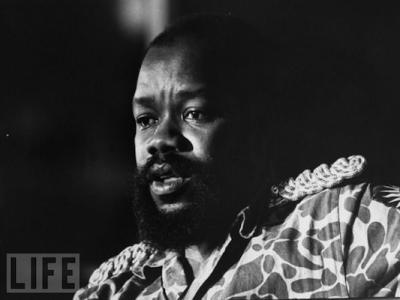
I SALUTE Aba (aka Enyimba city), the robust and fearless town I was born, bred and raised, for giving the Ikemba, our Ochiagha, Gburugburu, Oka oburu uzo, dike na ndu ma n’onwu, mgbadike anyi, a hero’s farewell.
To the Ikemba, may your valiant soul rest in peace and dignity.
We will, and I, Chido Nwangwu, will never forget to continue to tell my generation and the next about your towering courage through tempest and thunder; through sorrow, pain, tears, blood…. •Dr. Chido Nwangwu, Founder & Publisher of USAfrica multimedia networks, first African-owned, U.S-based newspaper published on the internet USAfricaonline.com; and recipient of several journalism and public policy awards, was recently profiled by the CNN International for his pioneering works on multimedia/news/public policy projects for Africans and Americans. http://edition.cnn.com/video/#/video/international/2010/07/29/mpa.african.media.bk.a.cnn.
News: At Ojukwu memorial in Dallas Texas, USAfrica’s Chido Nwangwu challenges the Igbo nation to say never again like Jews.
Ojukwu trouble and Ikemba titles. By Chido Nwangwu
• For seasoned insights and breaking news on these issues, log on to USAfricaonline.com and USAfrica powered e-groups including Nigeria360 at yahoogroups and USAfrica at googlegroups. Follow us at Facebook.com/USAfricaChido and Twitter.com/Chido247


